

Focus area

Vitamin A & Normal Vision

An essential nutrient your eyes rely on, especially in low light, with an important safety ceiling to respect.

Fresh carrots, a food source of provitamin A
Fresh carrots being sliced on a dark chopping board

Why your eyes need vitamin A

The NIH Office of Dietary Supplements describes vitamin A as important for normal vision, the immune system, reproduction, and growth and development. In the eye, vitamin A is needed to form the light-sensitive pigment that lets you see in dim light, which is why one early sign of deficiency is poor night vision.

Two forms

  • Preformed vitamin A (retinol and retinyl esters) comes from animal foods such as dairy, eggs and fish, and from many supplements.
  • Provitamin A carotenoids, mainly beta-carotene, come from plants such as carrots, sweet potatoes, spinach and squash. Your body converts some of them into vitamin A.
Sliced fresh carrots, a source of provitamin A beta-carotene
Carrots are a classic source of provitamin A.

More is not better

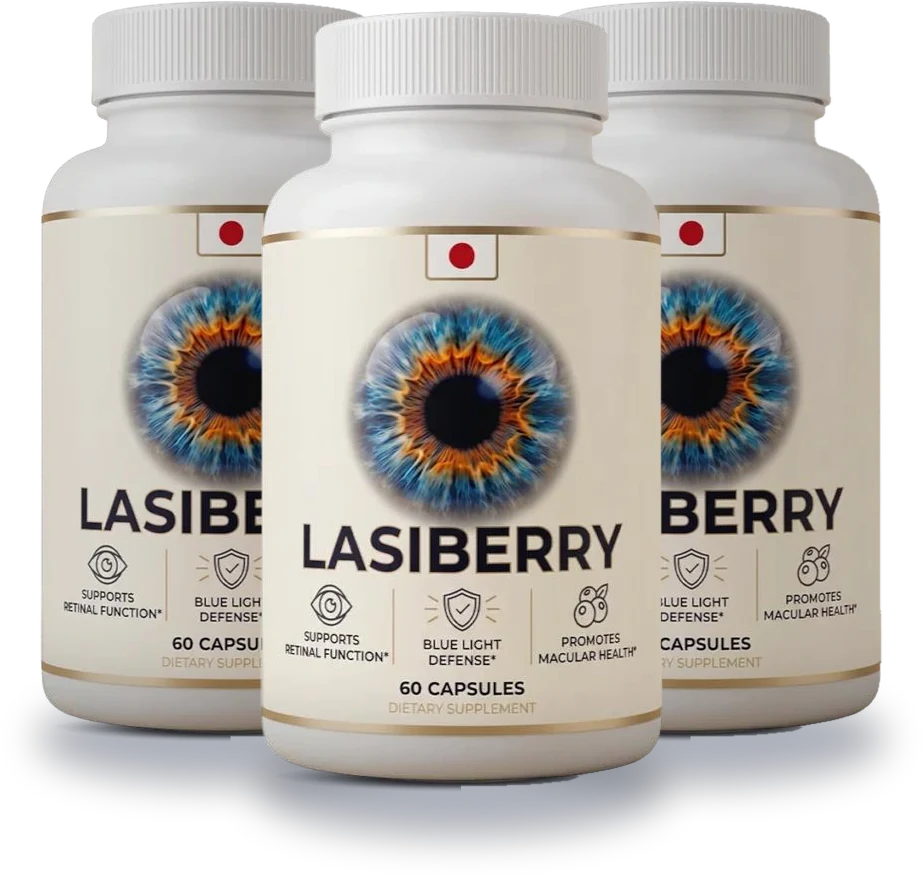
Vitamin A deficiency is rare in the United States. Preformed vitamin A has a daily upper limit for adults of 3,000 mcg from all sources combined, and high intakes during pregnancy can cause birth defects. That is why it matters that the product page does not show Lasiberry’s vitamin A amount or form.

Practical tip: before adding any supplement containing vitamin A, check the Supplement Facts panel and count multivitamins and other products you already take. If you are pregnant or could become pregnant, ask your doctor first.
Other focus areas

Look a little deeper

Sources for this focus area

Explore government health resources and published research related to the ingredients and topics discussed on this website.

Office of Dietary Supplements (ODS), NIH

Vitamin A and Carotenoids – Fact Sheet for Consumers

NIH Fact SheetVitamin A

Describes vitamin A as important for normal vision, lists food sources such as carrots, spinach and sweet potatoes, and sets upper intake limits for preformed vitamin A. It warns against high-dose preformed vitamin A during pregnancy.

View Official Research ↗

Office of Dietary Supplements (ODS), NIH

Vitamin A and Carotenoids – Fact Sheet for Health Professionals

NIH Fact SheetVitamin A, lutein & zeaxanthin

A detailed technical review. It explains that lutein and zeaxanthin are carotenoids that the body does not convert into vitamin A, and covers vitamin A forms, intake recommendations, safety and interactions.

View Official Research ↗

U.S. Food and Drug Administration (FDA)

Questions and Answers on Dietary Supplements

FDA GuidanceAll dietary supplements

Explains how dietary supplements are regulated. FDA does not approve supplements for safety and effectiveness before they are sold, and it advises consumers to talk with a health care professional before using one.

View Official Research ↗

These references are provided for educational purposes only. They do not represent an endorsement or approval of this product by any government agency. Research on individual ingredients does not necessarily establish the effectiveness of the finished product.