Focus area

Lutein & Zeaxanthin

The two carotenoids your retina concentrates in the macula, and the most researched nutrients in eye-health nutrition.

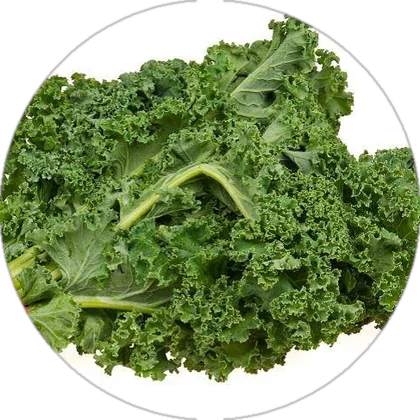
Kale leaves, a food source of lutein
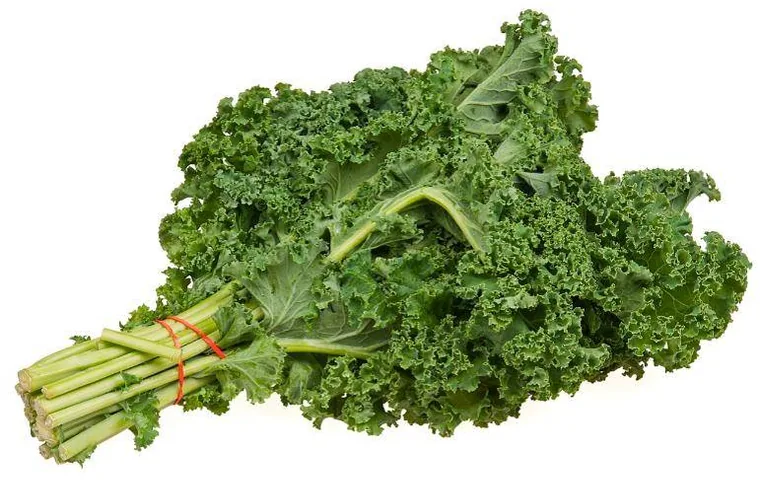
A bunch of fresh curly kale, a rich food source of lutein

The macular pigment

Look at the very center of a healthy retina and you will find a small yellowish spot: the macula. Its color comes largely from lutein and zeaxanthin, two carotenoids that your body cannot make. Researchers call this layer macular pigment. NEI describes lutein and zeaxanthin as possibly acting as natural antioxidants and helping absorb high-energy blue and ultraviolet light.

Food first

Kale, spinach and other dark leafy greens are the richest everyday sources of lutein. Sweet corn, orange peppers and egg yolks add zeaxanthin. Because they are fat-soluble, carotenoids are absorbed better with a little dietary fat.

Fresh ears of sweet corn, a food source of zeaxanthin
Corn is one of the more familiar sources of zeaxanthin.

What the research shows, and its limits

NEI’s AREDS2 trial tested 10 mg lutein and 2 mg zeaxanthin as part of a high-dose formula in people with intermediate AMD (or advanced AMD in one eye). In the main analysis, adding the two carotenoids did not further reduce progression overall. People with the lowest dietary intake appeared to benefit, and lutein/zeaxanthin became NEI’s preferred replacement for beta-carotene. A separate report found no overall effect on cataract surgery.

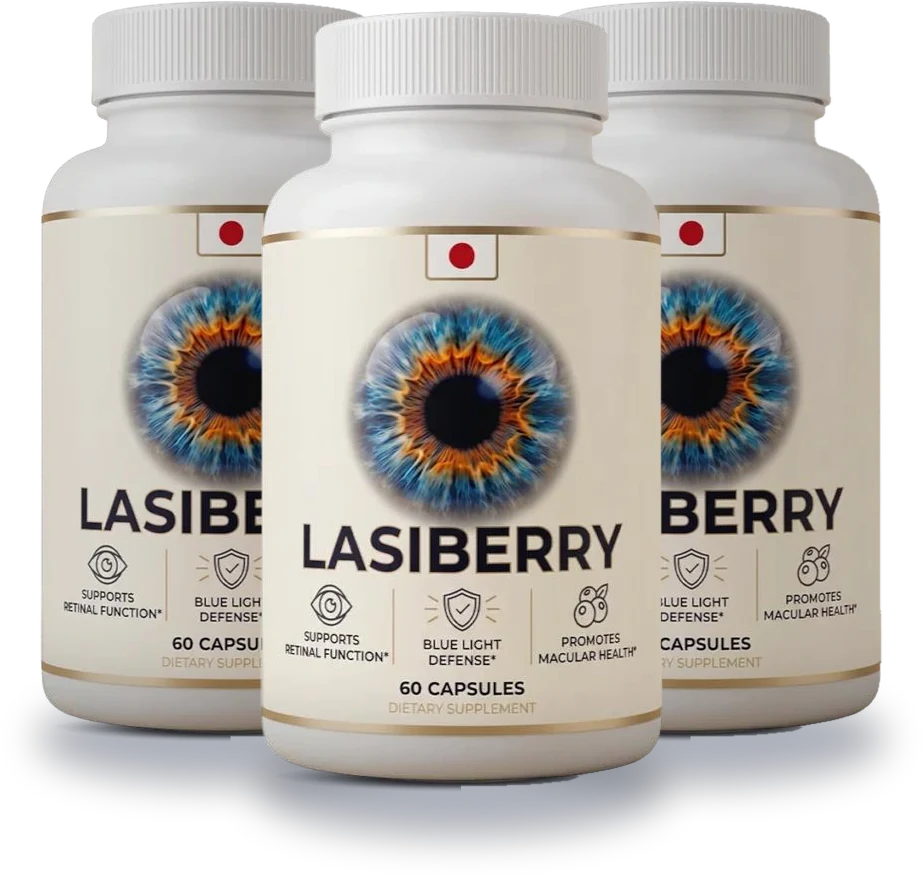
For Lasiberry: lutein and zeaxanthin are featured ingredients, but the per-serving amounts are not published on the product page and the formula is not the AREDS2 formula. Check your bottle’s Supplement Facts panel.

Further reading: Lutein and zeaxanthin explained.
Other focus areas

Look a little deeper

Sources for this focus area

Explore government health resources and published research related to the ingredients and topics discussed on this website.

National Eye Institute (NEI), NIH

Age-Related Eye Disease Studies (AREDS/AREDS2): Major Findings

US Government Health ResourceLutein & zeaxanthin

NEI’s summary of two large clinical trials. The AREDS2 formula replaced beta-carotene with 10 mg lutein and 2 mg zeaxanthin. NEI reports the formulas slowed progression from intermediate to advanced AMD by about 25%, did not prevent AMD onset and had no effect on cataract. These trials did not test Lasiberry.

View Official Research ↗

National Eye Institute (NEI), NIH

AREDS/AREDS2 Frequently Asked Questions

US Government Health ResourceLutein, zeaxanthin & carotenoids

Explains what lutein, zeaxanthin and beta-carotene are, notes that people with low dietary intake of lutein and zeaxanthin appeared to benefit most in AREDS2, and advises asking an eye care professional which supplement, if any, is right for you.

View Official Research ↗

PubMed, U.S. National Library of Medicine (NIH)

Lutein + zeaxanthin and omega-3 fatty acids for age-related macular degeneration: the AREDS2 randomized clinical trial

Peer-Reviewed ResearchLutein & zeaxanthin

JAMA, 2013. A randomized controlled trial in people at risk of advanced AMD. In the primary analysis, adding lutein and zeaxanthin did not further reduce progression. The study suggested lutein and zeaxanthin as a substitute for beta-carotene.

View Official Research ↗

PubMed, U.S. National Library of Medicine (NIH)

Lutein/zeaxanthin for the treatment of age-related cataract: AREDS2 randomized trial report no. 4

Peer-Reviewed ResearchLutein & zeaxanthin

JAMA Ophthalmology, 2013. Daily lutein/zeaxanthin supplementation had no statistically significant overall effect on rates of cataract surgery or vision loss. This is a useful reminder of the limits of the evidence.

View Official Research ↗

These references are provided for educational purposes only. They do not represent an endorsement or approval of this product by any government agency. Research on individual ingredients does not necessarily establish the effectiveness of the finished product.