The wartime story
Few supplements have a better origin story. The tale goes that British pilots in World War II ate bilberry jam before night missions and saw better in the dark. The story spread, and for decades bilberry has been sold as a night-vision berry.
It is a memorable story, but a story is not evidence. The real question is what controlled research shows.
What bilberry is
Bilberry (Vaccinium myrtillus) is a small, dark-blue European relative of the blueberry. Its deep color comes from anthocyanins, plant pigments with antioxidant activity in laboratory studies. The fruit has been eaten as food and used in traditional European herbal practice for centuries.
What the research says
The National Center for Complementary and Integrative Health (NCCIH), part of the NIH, summarizes the evidence plainly: bilberry has not been clearly shown to be helpful for any health condition, including vision. Laboratory and small human studies exist, but they do not add up to proof that bilberry improves night vision or treats eye disease.
On safety, bilberry fruit is generally considered safe in the amounts found in food. As with any botanical extract, check with a pharmacist or doctor if you take medication, particularly blood thinners or diabetes medicines, or if you are pregnant or nursing.
And eyebright?
Eyebright (Euphrasia) is a small meadow plant with white flowers marked by purple lines and a yellow center. Its name comes from its long use in European folk medicine for the eyes. Modern research on eyebright is very limited. We could not find a dedicated U.S. government fact sheet establishing a benefit, so we treat it as a traditional botanical rather than a proven one.
One practical safety note: never put homemade herbal preparations in your eyes. They are not sterile.
How to think about botanicals in a formula
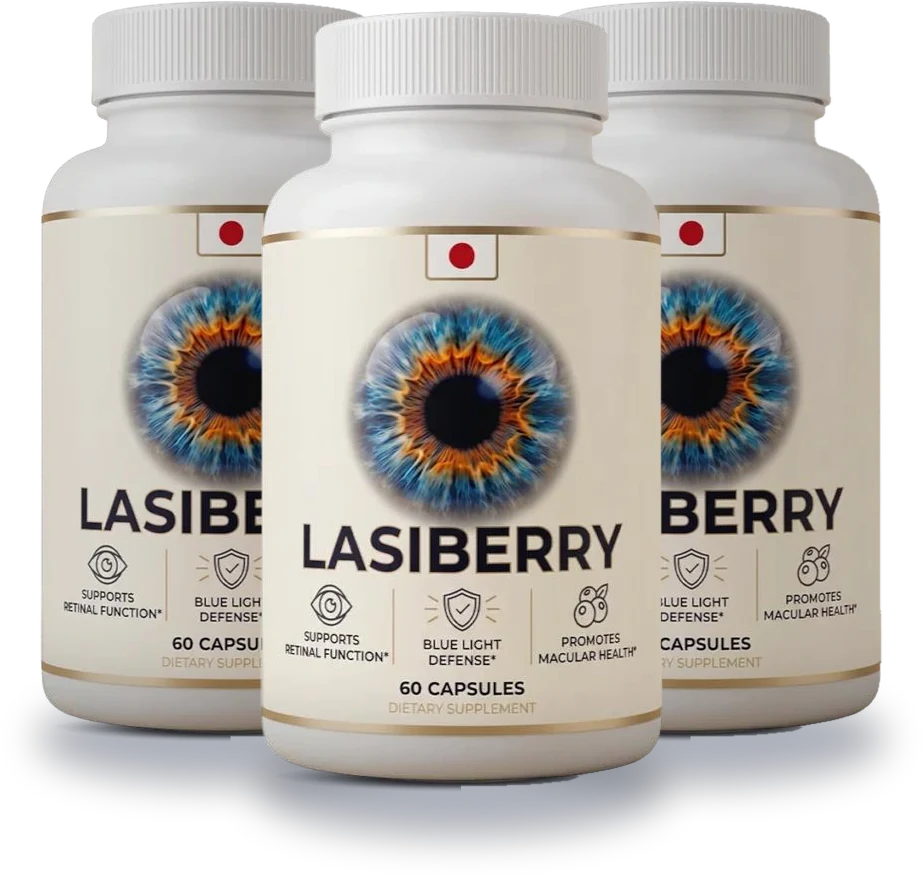
Lasiberry includes bilberry and eyebright extracts alongside lutein, zeaxanthin and vitamin A. A sensible way to view them is as traditional supporting ingredients, while the carotenoids and vitamin A carry most of the established nutrition science. Read more in our bilberry and eyebright focus area.
Sources: NCCIH: Bilberry; NCCIH: 6 Things To Know About Dietary Supplements for Eye Conditions.
This article is for general education and is not medical advice. These statements have not been evaluated by the Food and Drug Administration. This product is not intended to diagnose, treat, cure, or prevent any disease.